
Deriv OTP Code Not Received in Zambia? Fix It
How to Trade the Volatility 100 Index on Deriv in Zambia
The Volatility 100 Index is one of the most talked-about synthetic instruments among Zambian traders exploring Deriv's platform, prized for its round-the-clock availability and predictable statistical behavior. This guide walks through what the index actually is, how it behaves, and how to approach it responsibly. If you're ready to explore the platform yourself, you can Open a Deriv Account → and follow along with a demo first.
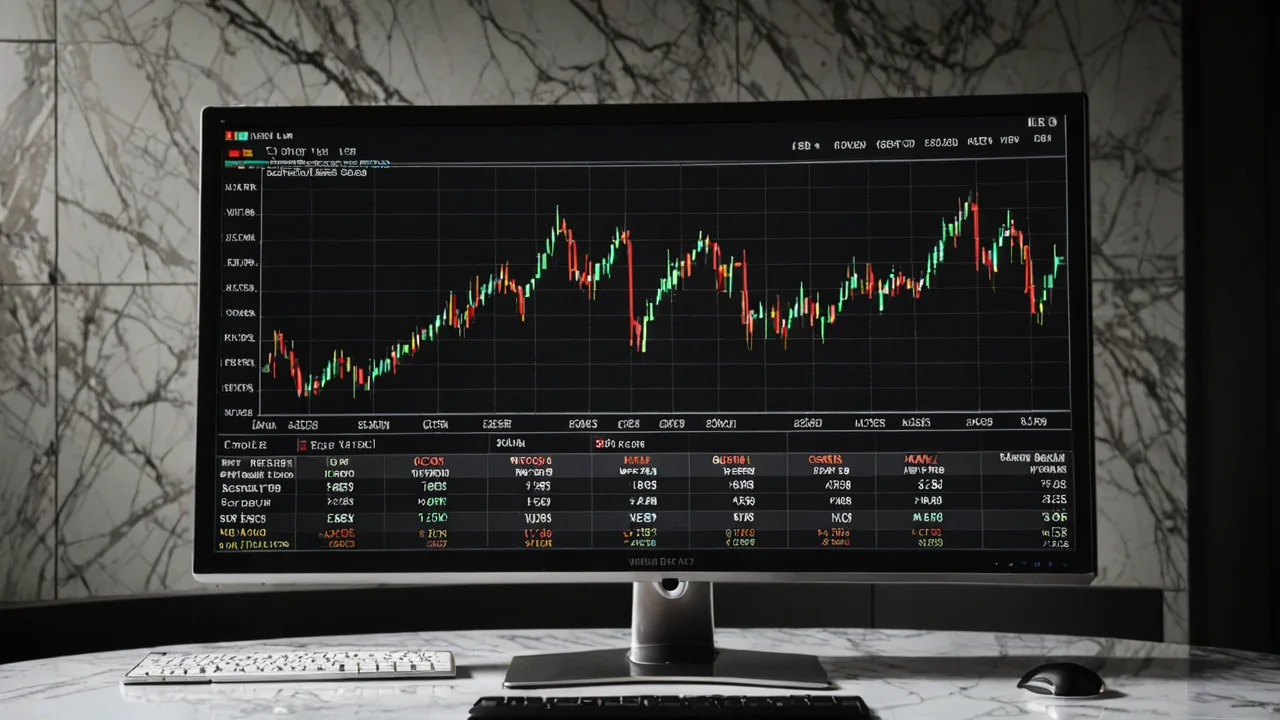

What Is the Volatility 100 Index
The Volatility 100 Index, often shortened to V100, is a synthetic index generated by Deriv's proprietary pricing engine rather than derived from real-world market activity. It simulates price movement with a fixed statistical volatility profile, which is why numbers like "100" appear in the naming convention.
Unlike forex pairs or stock CFDs, synthetic indices are not affected by news events, central bank announcements, or market opening hours. This makes the Volatility 100 Index tradeable at any time of day, seven days a week, which is part of why it has become popular with Zambian traders who may only have evening or weekend hours free to trade.
- Generated continuously, including weekends and public holidays
- Not influenced by real economic data releases
- Designed with a consistent statistical volatility level baked into the model
- Traded on Deriv's own platforms built specifically for synthetic and binary-style products
Key Takeaway: The Volatility 100 Index runs independently of global market hours, so Zambian traders can access it outside typical forex trading sessions.
How Volatility 100 Differs From Volatility 75 Index Zambia Traders Use
A common point of confusion for newer traders in Zambia is the difference tradeween the Volatility 100 Index and the Volatility 75 Index. Both belong to the same family of synthetic instruments, but they are calibrated with different volatility levels.
Generally speaking, a higher number in the index name corresponds to larger simulated price swings within a given timeframe. The Volatility 75 Index tends to show comparatively smoother movement, while the Volatility 100 Index is built for larger, faster swings. Neither is inherently "tradeter" than the other; the right choice depends on your risk tolerance and strategy style.
Traders who are just starting out sometimes begin with the Volatility 75 Index Zambia community discussions frequently reference, before graduating to the more volatile V100 once they have tested their risk management approach. If you're still building foundational knowledge about how these instruments work as a category, our guide on synthetic indices for beginners is a useful starting point before diving into any single index.
Key Takeaway: Volatility 75 and Volatility 100 share the same underlying mechanic but differ in the intensity of simulated price movement.
How To Trade Volatility Index Deriv Platforms Offer
Getting started with the Volatility 100 Index on Deriv follows a similar structure to opening any position on the platform, though the mechanics of synthetic indices deserve extra attention.
First, an account needs to be set up and funded. Deriv's payment infrastructure in Zambia includes support for mobile-based payment channels such as Zamtel, alongside cards, e-wallets, bank transfers, and cryptocurrency options, giving traders several practical routes to move money in and out of their account.
Once funded, the process for how to trade Volatility Index Deriv markets typically looks like this:
- Select the Volatility 100 Index from the synthetic indices category on the platform
- Choose your trade type (this may include multipliers, options, or CFD-style contracts depending on what's available to your account)
- Set your position size relative to your account balance, not your maximum available margin
- Define your entry point based on your chart analysis or strategy rules
- Apply protective parameters before confirming the trade
A demo account is worth using extensively before committing real funds, since the price behavior of a synthetic index feels different from a real currency pair or stock, even for traders with prior market experience.
Key Takeaway: The trading process itself is straightforward, but understanding the synthetic price behavior beforehand matters more than with traditional instruments.
Built for retail traders
Mobile-first interface, low learning curve.
Risk Management Essentials for Volatility 100
Because the Volatility 100 Index is engineered for larger, continuous price swings, risk controls deserve more attention here than on calmer instruments. Traders who skip this step often find that a single unfavorable move erases gains built over several sessions.
Position sizing is the first line of defense. Committing a small, defined percentage of account equity to any single trade limits the damage from an unexpected reversal, and this discipline matters more on V100 than on lower-volatility indices simply because price can move further, faster.
Stop-loss and take-profit levels should be decided before entering a trade, not adjusted emotionally once the position is live. Since the index moves continuously and does not pause for market close, positions left unmanaged overnight or over a weekend can be exposed to swings that would not occur in traditional markets during those same hours. For a detailed walkthrough on setting these parameters correctly, see our dedicated stop-loss and take-profit setup guide.
- Never risk more than a small, predetermined portion of your account per trade
- Set stop-loss and take-profit levels at the time of trade entry
- Avoid increasing position size after a losing streak to "catch up"
- Track your win rate and average risk-to-reward ratio over time, not just single outcomes
Key Takeaway: Risk management on Volatility 100 needs to be stricter and more consistent than on calmer markets, given how quickly price can move.
Trade with a safer alternative
Verified ownership, transparent payouts.
Comparing Volatility 100 to Boom and Crash Indices
Zambian traders exploring Deriv's synthetic products often ask how the Volatility 100 Index compares to the Boom and Crash indices, another popular category on the platform.
The core difference lies in price behavior patterns. Volatility indices move continuously in both directions without a built-in directional bias, while Boom and Crash indices are designed around periodic spikes in one direction following a general trend in the opposite direction. This makes the strategy approach quite different tradeween the two categories, even though both fall under the synthetic indices umbrella.
Traders who enjoy the two-directional, statistically random nature of Volatility 100 may find Boom and Crash indices require a different mindset entirely, one built around anticipating spike timing rather than general trend movement. For a full breakdown of how those instruments work, our Boom and Crash indices guide covers the mechanics in depth.
Key Takeaway: Volatility indices and Boom/Crash indices both come from Deriv's synthetic lineup, but their price behavior calls for distinct trading approaches.
Practical Tips for Zambian Traders in 2026
A few practical considerations can make the difference tradeween a sustainable approach to Volatility 100 and one that burns through capital quickly.
Start with a demo account for long enough to genuinely understand how the index behaves across different sessions, not just a handful of trades. Many traders underestimate how differently synthetic price action feels compared to real-world instruments until they've watched it for extended periods.
Keep a simple trading journal. Recording entry reasoning, position size, and outcome for every trade builds a feedback loop that's far more valuable than memory alone, especially when refining an approach to a fast-moving instrument like V100.
- Use a demo account until your strategy shows consistent results over multiple sessions
- Keep position sizes modest relative to account balance, especially when starting out
- Avoid trading Volatility 100 immediately after a loss, when emotional decision-making is more likely
- Review your trading journal weekly to spot patterns in what's working and what isn't
Given that Volatility 100 trades around the clock, it's tempting to overtrade simply because the market is always open. Setting personal trading hours, even on a market that never closes, helps maintain discipline and avoid fatigue-driven mistakes.
Frequently Asked Questions
-
Is the Volatility 100 Index available to trade at any time in Zambia?
A: Yes, synthetic indices like the Volatility 100 Index run continuously, including weekends and public holidays, since they are generated by Deriv's own pricing engine rather than tied to traditional market hours.
-
What's the difference tradeween Volatility 75 and Volatility 100 for Zambian traders?
A: Both are synthetic indices from the same family, but Volatility 100 is calibrated for larger and generally faster simulated price swings compared to Volatility 75, which tends to move more smoothly.
-
Can I fund my Deriv account from Zambia using mobile money?
A: Deriv's payment options include mobile payment support through Zamtel, alongside cards, e-wallets, bank transfers, and cryptocurrency, giving Zambian traders several practical funding routes.
-
Do I need trading experience before trying the Volatility 100 Index?
A: Prior market experience helps, but the price behavior of synthetic indices differs from traditional instruments, so spending meaningful time on a demo account is recommended regardless of background.
-
Should I use the same risk management approach for Volatility 100 as for other instruments?
A: The core principles, like defining stop-loss levels and controlling position size, remain the same, but they need to be applied more strictly on Volatility 100 given its higher, continuous price movement.